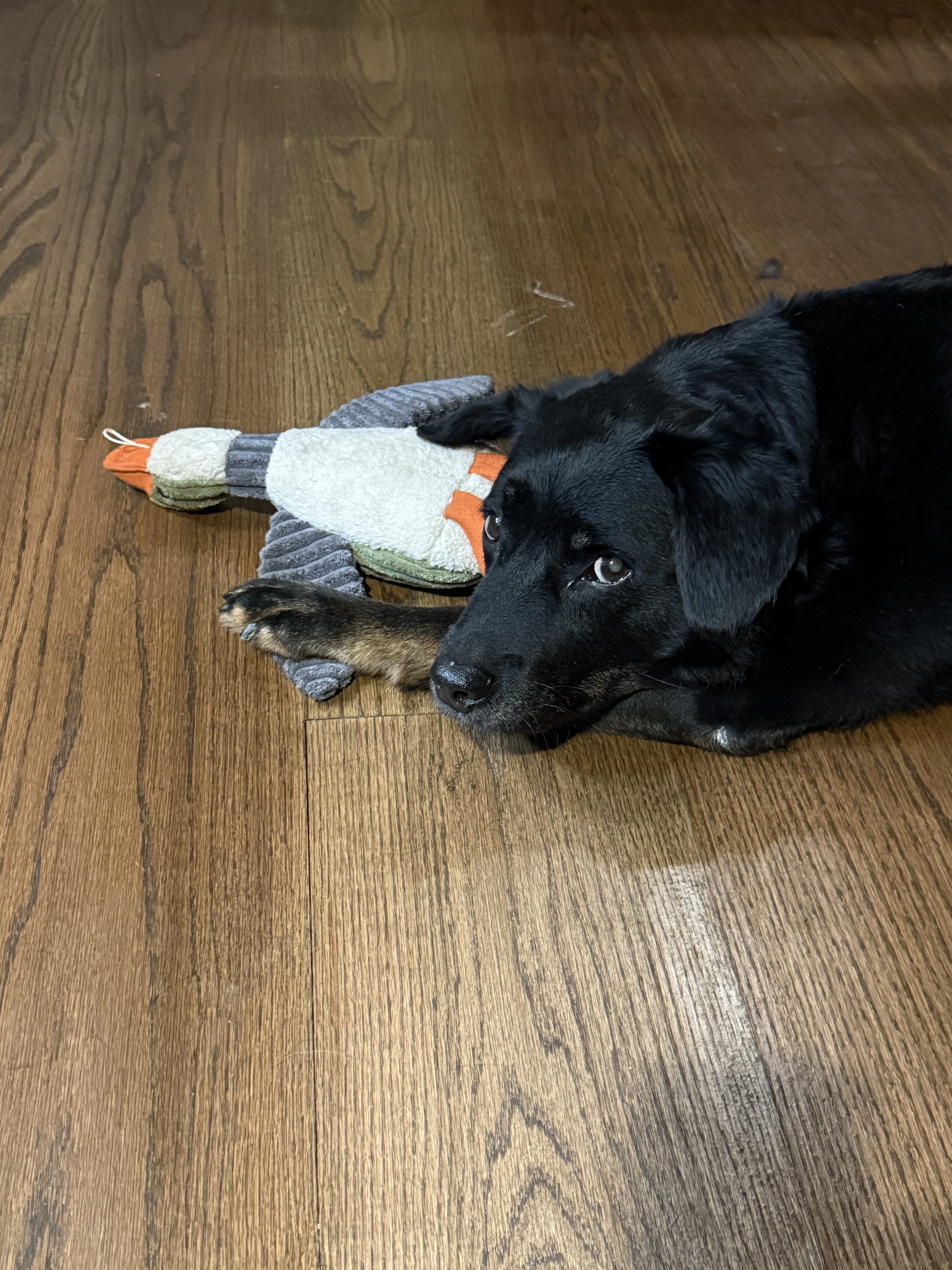
Happy Memorial Day, the unofficial beginning of summer!
In 1971, Congress made the last Monday in May the official day we set aside to remember and honor our service members who died protecting our freedoms. The day used to be on every May 30th – but it was sorta annoying having it on a random Wednesday.
Why? Well, because no one is out doing things on a random Wednesday, no BBQ planned, or trips to take. So Congress decided 55 years ago to move to the last Monday in May. This decision was motivated by a desire to consume as much stuff – from beer to brats to beds. I hope you are staring down inflation and higher prices right in the face and still forking over money to purchase all the stuff!
Anonymous, Blue, and I did our part, and we are already $50 in on gas while driving to West Virginia. It’s been quite a trip – it took us five hours on Friday afternoon to get here from Washington, DC, thanks to the weather and Maryland drivers. I’m not kidding when I say – I spent most of the time driving at 40 miles per hour through mountains, fog, and rain. It was so much fun!
We finally made it to Coopers Rock State Park, just east of Morgantown, West Virginia.
It’s a beautiful place, and we rented one of the new cabins they have built to encourage tourism in the area.
What is Coopers Rock? It’s an almost 13,000-acre state forest, known for its beautiful hiking trails, campsites, and a scenic overlook. Unfortunately for us, it rained most of the time, but it was still worth coming out here for a few days.
There are a few competing stories about how Coopers Rock got its name, but the one I like is that a fugitive hid out in the woods, made barrels (presumably for outlawed alcohol), and sold them to people in the surrounding communities. Either way, if I were going to hide from the law, this is an excellent place to do it.
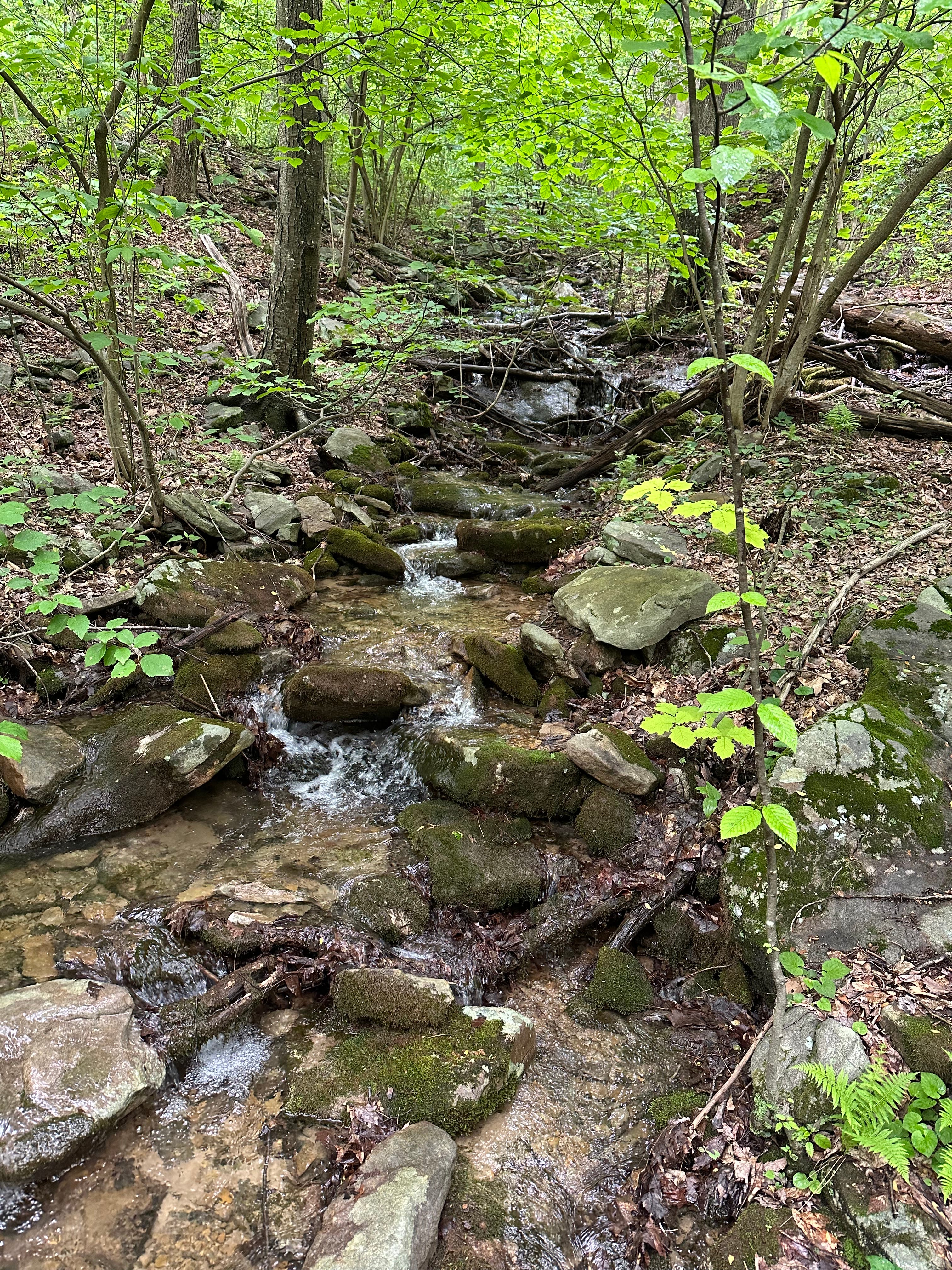
The cabins themselves have all the new features a small family needs. I highly recommend a trip out here if you can. On Sunday, Anonymous and I joined friends for what seemed like a 500-mile uphill hike. I’m not great with pictures, but this stream gives a glimpse of what we experienced:
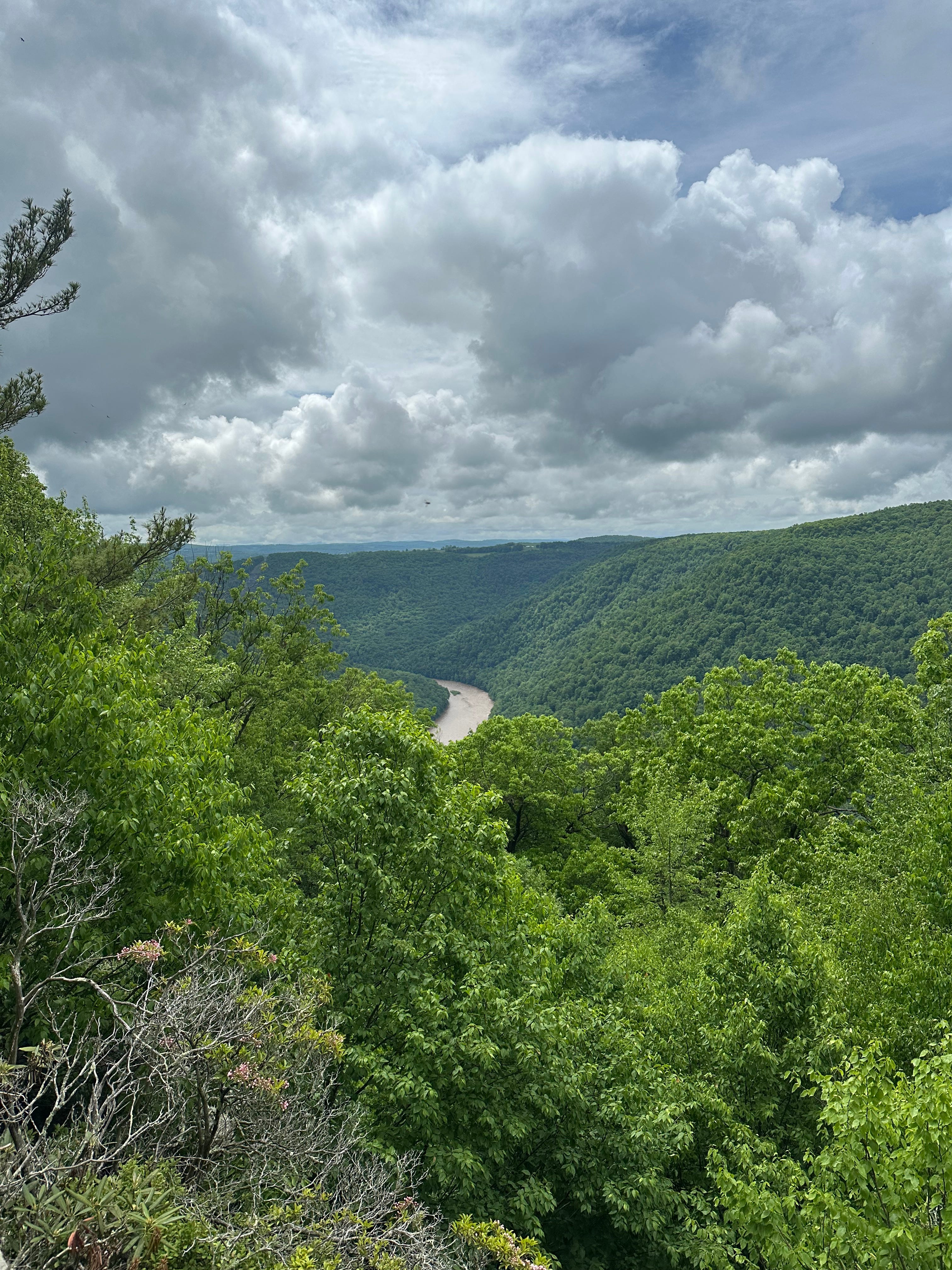
We grabbed a picture of the overlook on our way this morning:
Okay, let’s get to what else happened this week. As a reminder, these events mark anniversaries ending in 5 or 0.
1. President Kennedy tells Congress – We are going to the moon on May 25, 1961. Twenty days after Alan Shepard was launched into space, President Kennedy proclaimed that the United States would accelerate efforts to reach the Moon by the end of the decade. The “Space Race” was on, and we were already far behind the Soviet Union. Don’t worry, it all turned out fine. What’s funny is, the Moon objective wasn’t the reason for the joint session of Congress. It was about a ton of stuff, and the Moon aspect was put at the end of a 45-minute speech.
For me, this is a perfect example of what we are capable of achieving in this country when we put focus on something. At one point, our space program employed 400,000 people just to ensure we landed on the moon.
2. Frederick Douglass delivered a commencement speech on May 30, 1881. The end of May is for remembering the fallen and giving speeches to graduating seniors. Storer College was established as an institution of higher learning for Black people located in Harper’s Ferry, the site of John Brown’s uprising in October 1859. Brown and Douglass were friends, and Frederick’s speech was to celebrate Brown, whose zeal “was as the burning sun to my tapered light.”
Storer College closed in 1955, and most of the campus is preserved at Harper’s Ferry National Park. Harper’s Ferry Brewery is a pretty good place, but it has nothing to do with this story.
3. The Tulsa Race Massacre took place on May 31, 1921. Tulsa’s Greenwood neighborhood was known as “Black Wall Street,” a place where formerly enslaved people and their descendants had thrived with their own businesses and financial growth.
On May 30th, a young black man, Dick Rowland, was accused of “raping” a white elevator operator named Sarah Page. The local newspaper ran a story the next day, along with a mention that a lynching was planned for later. This inspired mobs of people to descend to the local jail, where violence broke out between races – those who were there to protect Rowland and those who were determined to cause him grave harm. When white people died, that sparked two days of white retaliation where mobs of white people destroyed black businesses and murdered black people.
This horrific story was buried – never mentioned to the greater masses about its history, until the late 1990s. It’s an important reminder that there are probably more stories like this in our past. Bringing them to light doesn’t diminish our country’s legacy or future; it just makes us more aware of the challenges we faced and the struggles we will need to confront.
It’s been quite an adventure since we climbed into the car in DC. As I mentioned, the trip took longer than expected (it’s usually around 3 to 3.5 hours). When we got to the cabin, the key didn’t work. After a nice ranger lady let us in with a new key, we settled in, but then the next day, we discovered that the key wasn’t the issue – it was a broken door. Now, to be clear, we learned we were the first people to stay in these A-frame cabins that are built for stargazing (they actually call them the stargazing cabins), so experiencing a broken door that wouldn’t lock would have cut the trip short. But the good folks at the State Park were able to move us to a new cabin, where we understand we are the first people to stay there as well.
the A-Frame cabin and the


It’s a trip of firsts!
We just got back home and are in the land of reliable Wi-Fi!
Hope the holiday weekend has been a relaxing and recharging one for you.
Happy summer, everyone, and thanks for your continued support of Okay History.
Okay,
Chris